Our Commitment
Our History
1964
New Haven Legal Assistance was founded in 1964 during the heart of the Civil Rights Movement
We were established on the principle that everyone, regardless of race or income, should have access to one of our country’s cornerstone ideals, that is, the justice system. Our charge was to serve low-income neighborhoods in New Haven and provide free lawyers to people who could not afford to pay for help with everyday issues like eviction, family law, and income support.
May 1, 1965
United States Supreme Court Justice, Arthur J. Goldberg attended a Law Day ceremony at LAA’s office
1973
LAA formed the Family Law Unit
1976
The Elder Law Unit is established to meet the needs of senior citizens
1977
The Community Legal Education Program began operation to educate clients about their legal rights
1978 - 79
The Disability and Child Law Units are added
1978
The Valley Legal Assistance (VLA) branch opens in Derby, Connecticut
1980-90s
Statewide Legal Services is established
In the early 1980s the federal administration imposed a number of restrictions on Legal Services Corporation funding. These restrictions prohibited legal aid recipients from representing undocumented immigrants, filing class actions, engaging in legislative lobbying, among other activities.
As part of a statewide planning process, LAA determined it could no longer accept LSC funds and effectively carry out its mission. In addition, as part of that planning process, the legal services network created a new entity- Statewide Legal Services (SLS) in 1995.
SLS provides a telephone intake system, advising clients via the telephone and for the state and advice/brief service to clients whose issues cannot be referred to the regional legal services’ programs because of the programs’ limited resources. As a result of this process, there is an ongoing collaboration among the legal services’ programs throughout the state.
1995
LAA establishes the Friends of New Haven Legal Assistance
The Friends Board worked diligently raise funds to support LAA’s work. The Board is comprised of community members who truly believe in LAA’s mission and work.
The Friends Board also established two endowments which are both managed by the Community Foundation of Greater New Haven: the Fund for Legal Assistance Association in Memory of James W. Cooper and the Goldstein Fellowship Fund, named in honor and memory of two of our long-time supporters.
Staff
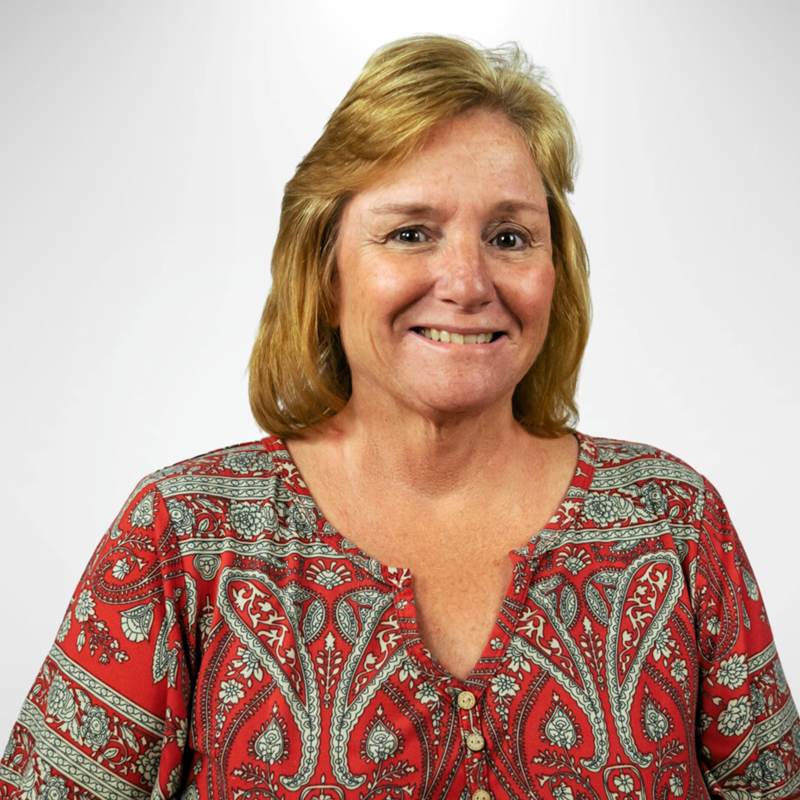
Sara Parker-McKernan
Policy Advocate
Cynthia Rogers
Paralegal
Maureen Abell
Staff Attorney
Vicki Acker
Bookkeeper
Kate Geruntho Frank
Web/Publications Manager, CTLawHelp.org
Joanne Gibau
Staff Attorney
Ben Haldeman
Staff Attorney
Richard Hine
Staff Attorney
Maria Velez
Bilingual Legal Assistant
Amy Eppler-Epstein
Staff Attorney
Sandra Aguilar Hernandez
Bilingual Legal Assistant
Amy Marx
Staff Attorney
Ellen Messali
Staff Attorney
Yolanda Vargas
Bilingual legal Assistant
Dan Burns
Staff Attorney
Carolyn Gontarski
Valley Office Coordinator
Rachel Scotch
Staff Attorney
Reilly Stevens
Grants Manager
Daisy Ruiz
Bilingual Legal Assistant
Nhi Tran
Staff Attorney
Denise Williams
IT Administrator
Natasha White
Staff Attorney
Margot Kenefick Burkle
Staff Attorney
Tracey Couto
Staff Attorney
Hedy Montes
Bilingual Legal Assistant
Cassandra Saxton
Staff Attorney
Audra Holmes-Greene
Social Worker
Ingrid Swanson
Staff Attorney
Nashalee Colon
Bilingual Office Assistant
Jennifer Sweeten
Staff Attorney
Andrea Cuartas
Immigration Paralegal
Megan Rodriguez-Carr
Staff Attorney
Carla Leon
Bilingual Office Assistant
Leanne Gale
Staff Attorney
Isabel Espinosa Schatz
Staff Attorney
Yadira Torres
IJC Fellow
Board of Directors
Barbara Katz, President
Joshua Goodbaum, Vice President
Jeff Hellman, Treasurer
Hiram Brett
Maggie Castinado
Conor Duffy
Evette Hamilton
Kia Levey-Burden
Allison Near
Eli Sabin
Jenny Chou
Mia Gratacos-Atterberry
Matthew Tanico
Pam Chambers
Kristen Zaehringer
Friends of New Haven Legal Assistance
Molly Arabolos
Maureen Burns
Pamela Chambers
Howard Fetner
Lauren Hopwood
Richard Jacobs
Kristen Zaehringer
Media Inquires
Maximillien Inhoff at the Narrative Project: max@narrative-project.com